Why one figure would be a guess
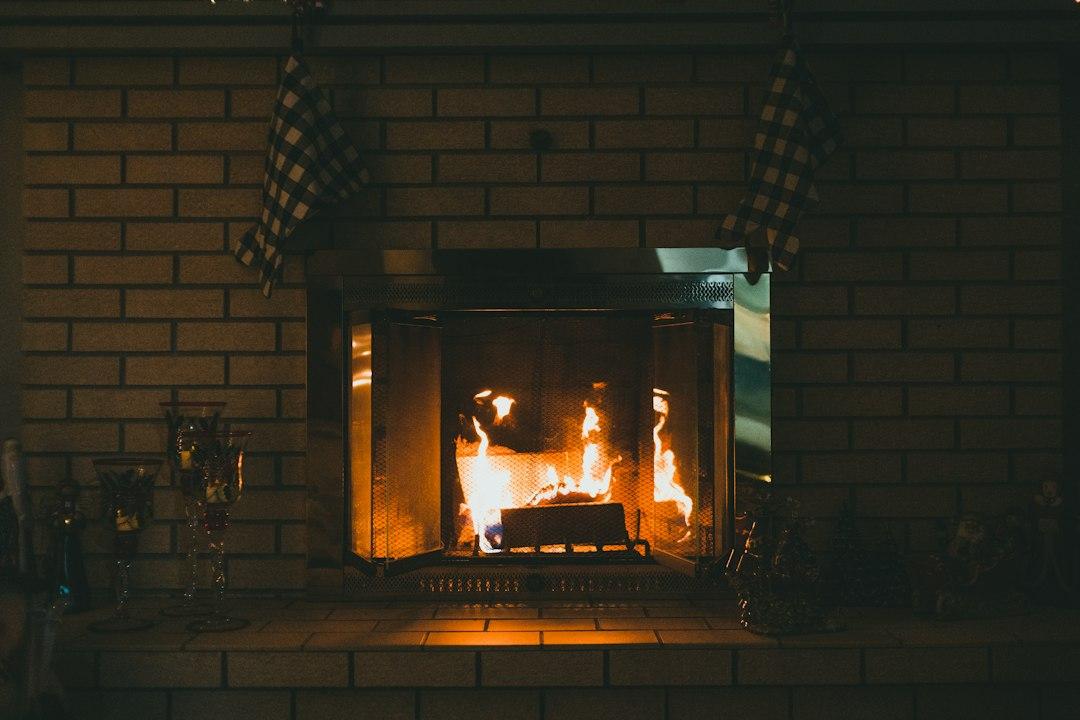
Owners around Lawndale who are tired of splitting oak and sweeping ash mostly end up asking about one thing: a sealed gas unit that slides into the brick opening they already have. We install those for $2,750 to $5,550. That spread is not padding. Two living rooms on the same street can need very different amounts of work behind the glass, and the range is there to cover both.
Below is what sits inside that range, what sits outside it, and how a phone call becomes a figure on paper.
What every installed price covers
At the low end and the high end alike, the figure includes the same core pieces of work:
- The insert, picked to fit your firebox
- A stainless liner from the unit up to the chimney top, with its termination cap
- Hookup to a gas supply that already reaches the hearth
- Setting the unit, fitting its trim panel and lighting it with you in the room
- Taking away the packaging and any old grate or andirons you no longer want
Where your job lands between $2,750 and $5,550 comes down mostly to four things.
Four things that move it
The model. Inserts run from plain heaters to wide units with large glass, a blower, a remote thermostat and accent lighting. A compact unit with a standard trim sits near the bottom of our range. A wide one with a fan and a decorative front climbs toward the top. We bring choices at each level and say plainly what the extra money buys you in heat and looks.
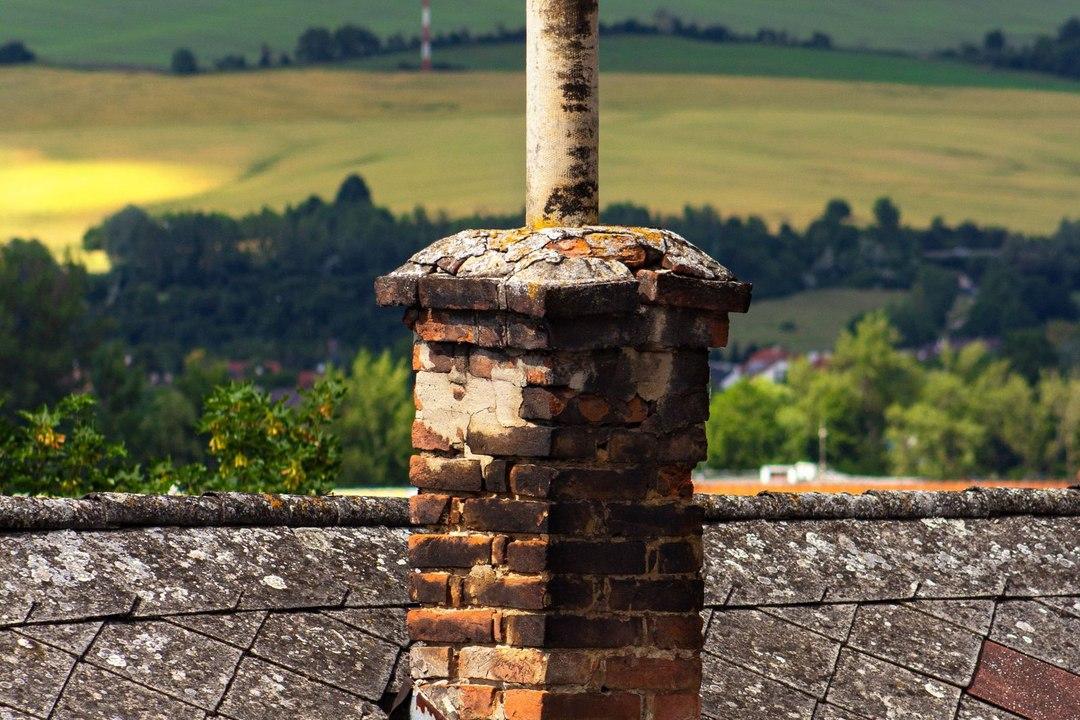
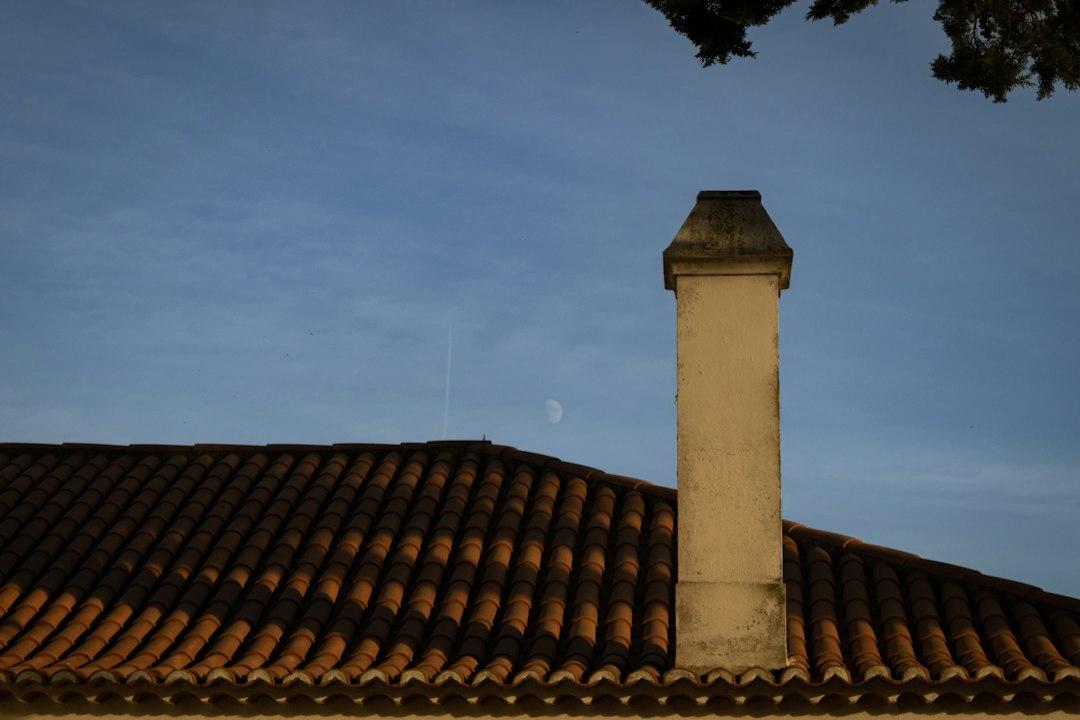
Chimney height. The liner runs the whole height of the chimney, so a one story ranch home in Lawndale or Hawthorne needs less pipe than a two story house in parts of Inglewood. A taller run also means more time working on the roof.
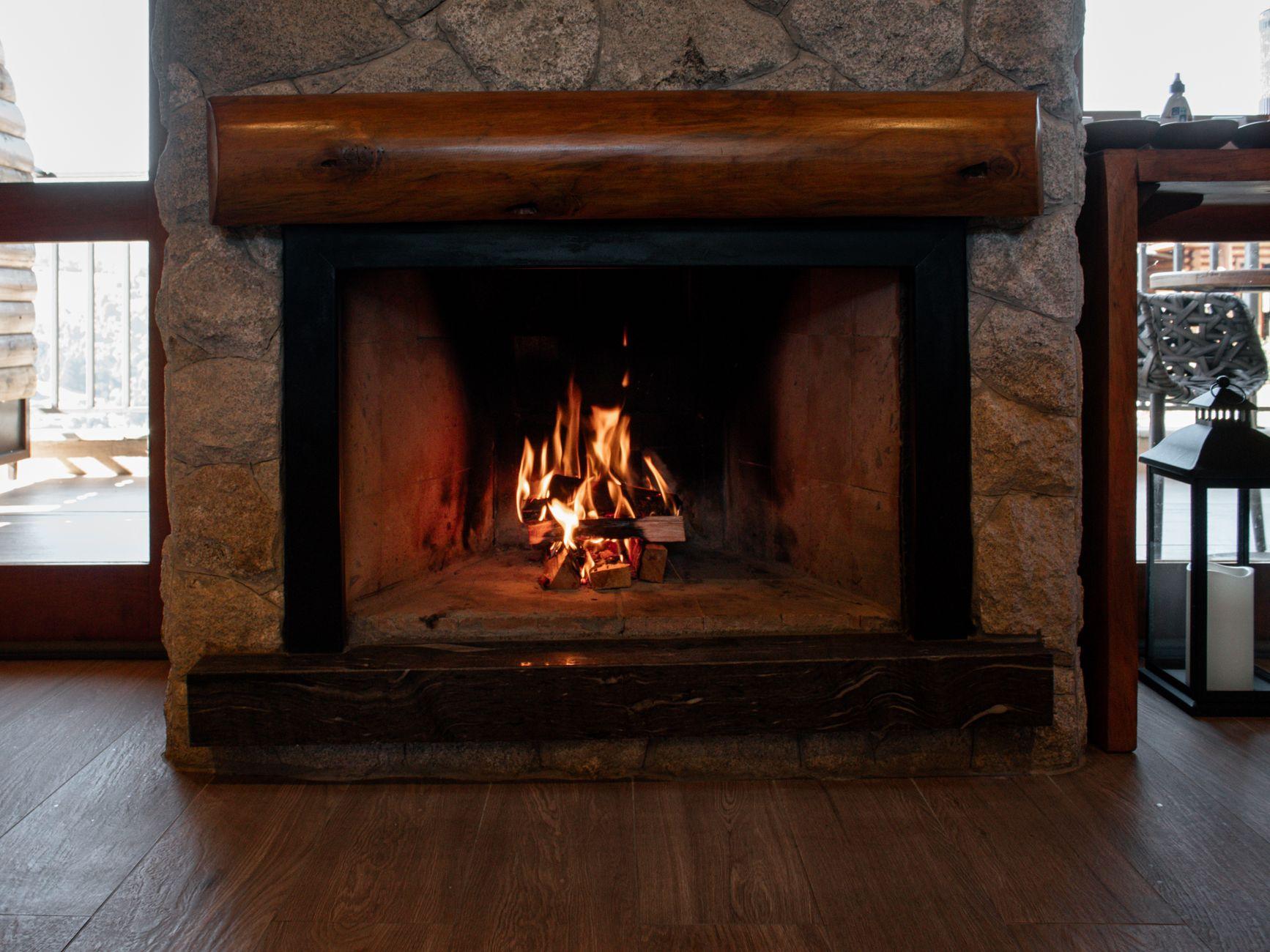
Firebox shape. Brick fireboxes were laid by hand, and very few are square. A shallow box, a back wall that leans forward or a tight throat can rule out some models or push you toward a smaller unit than you pictured. We take measurements at the front, the back and the top of the opening before we suggest anything, so the insert you choose is one that will actually go in.
Gas supply. Many houses here already have a gas key next to the hearth, left over from a log lighter. When the key is there and the pipe behind it can carry the load of an insert, the hookup is simple. When it is missing or too small, a new run is needed, and that work sits outside the installed range. It gets its own line once we have traced the nearest supply.
Findings that sit outside the range
Some things we find change the scope before an insert can go in. None of them are hidden extras. They come up during the visit and each one gets a separate figure on paper.
- Loose or missing firebrick that has to be repaired first
- A cracked crown or a chimney top with no cap at all
- A new gas line run from the meter side of the house
- Refacing the brick or tile around the opening
- Taking out a metal factory-built fireplace that cannot accept an insert
That last point matters. On a factory-built fireplace, the label plate inside the firebox decides whether an insert is allowed. When it is not, the honest choices are a log set listed for that model or a new unit. We tell you which before you spend a cent on a design.
How your number gets set
The visit decides the price. We measure the firebox, look at the chimney from the hearth to the top, locate the gas supply and talk about the face of the fireplace, whether you want to keep it or change it. You then receive a written quote with the unit, the liner length, any gas work and the trim, each on its own line. To get that visit on the calendar, fill in the quote form with a few lines about your fireplace: roughly when the house went up, whether a gas key sits beside the hearth, and whether the fireplace is brick or a metal box. We may ask a few more things when we call back.
Where an insert sits against the other gas options
An insert is not the only way off wood. A log set costs less to start because it uses the open chimney as it is, though most of its warmth rides up the flue. A sealed unit framed into an outside wall where no fireplace stood before runs $4,450 to $8,900 with us, since it brings framing, a new vent and a finished wall. We compare all three in our post on logs, inserts and wall units. For most brick fireplaces in Lawndale, the insert is the one that gives real heat without opening a wall.
When the chimney needs work first
The new liner carries the exhaust, so a few hairline cracks in the old clay tile stop mattering for venting. The chimney still has to stand up, keep rain out and hold the liner in place, though. If the crown is split or the top courses of brick are loose, those come first. When nobody has looked inside the chimney in years, a Level 2 inspection at $390 shows its condition on camera before you commit to a model. Details are on our Level 2 inspection page.
Burn rules and why owners here switch
Wood fires in Lawndale fall under the South Coast air district's winter limits, so on a cold night when you most want a fire, a wood fireplace may be off limits. A gas appliance is not covered by those wood burning limits. For many owners that alone settles it, and the cleaner glass and the lack of ash are a bonus.
Choosing the face at the same time
The insert sets the size of the new opening, so the face around it often changes too. Some owners keep the brick and paint it. Others reface in tile or plaster. If that is on your list, our fireplace remodel page shows how we plan the two together so the trim panel and the new face meet cleanly.
Getting a figure for your living room
Every installed price we write starts with the same visit and ends with the same kind of written quote. When you want your own number, head to the contact page and tell us what you burn now and what you would like to burn instead.
Weighing a Move Off Wood?
Mulligan Chimney Works looks at the flue first, then sets gas logs, an insert and a direct-vent unit side by side for your room. Visits run from Lawndale to Hawthorne, Inglewood, Carson and the rest of the South Bay.