Start from the house, not the brochure
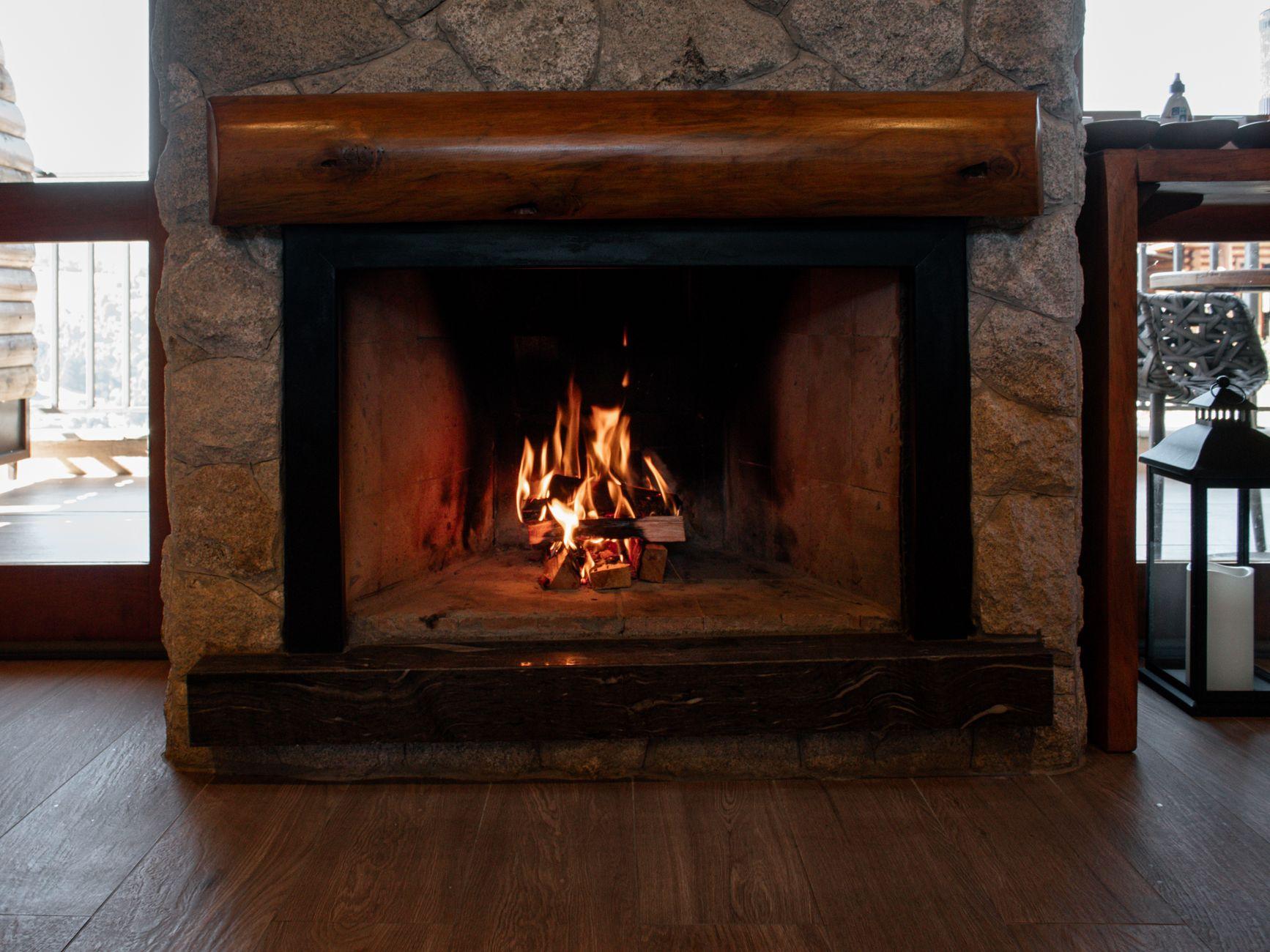
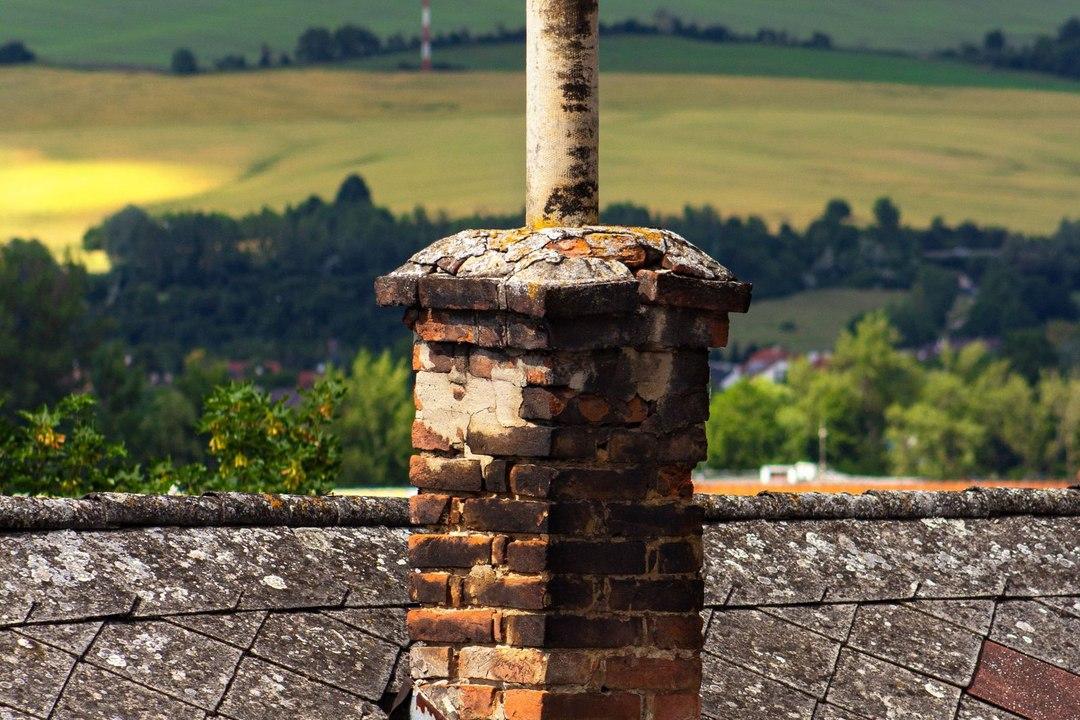
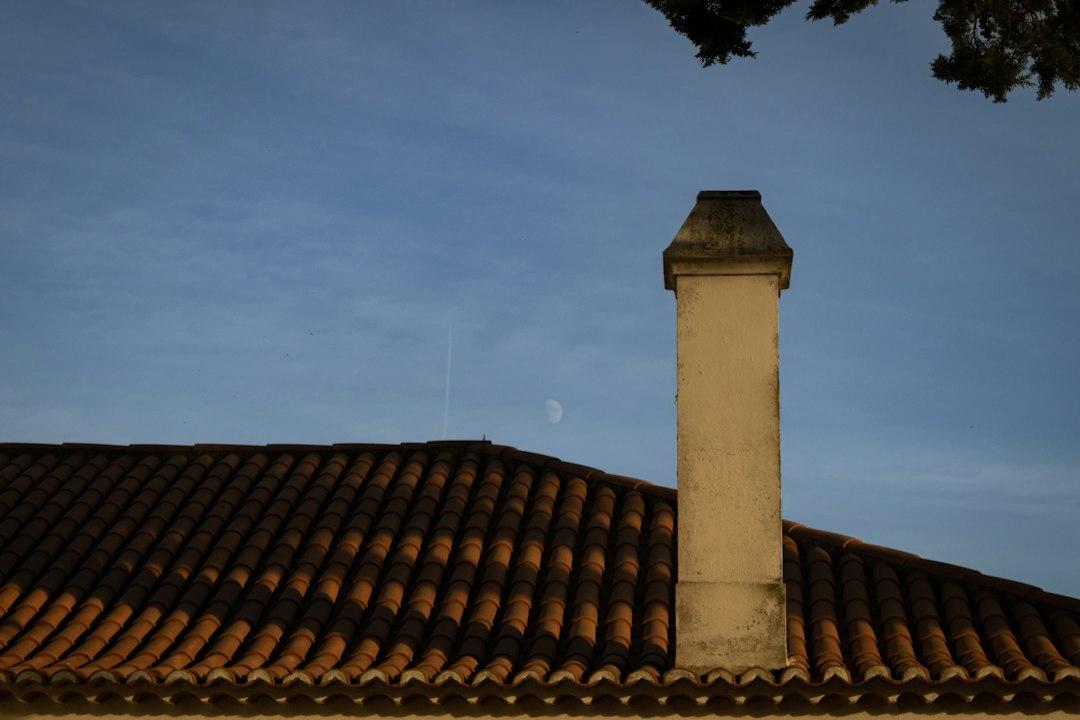
Owners who call us about giving up wood usually arrive with a picture from a showroom or a friend's living room. The picture matters, but what is already behind your wall matters more. In Lawndale we tend to meet three starting points: a brick fireplace with a working chimney, a factory-built steel firebox hidden behind a brick-look face, and a room that never had a fireplace. Each one opens some doors and closes others.
What follows takes one option per section, so you can read the one that fits and skip the rest.
Option one: a log set in the open firebox
Ceramic logs sit over a burner where the grate used to be. The flame is tall and yellow, and from the sofa it is the closest thing to a wood fire. Because the exhaust leaves through the old chimney, the damper has to stay propped open with a clamp, and much of the warmth rides up the flue with the exhaust. A log set is for the look and the glow on a winter evening. It will not do much to heat the room.
The chimney still has to be sound, since it is still carrying the exhaust. We write a price for a log set once we know the firebox width and whether a gas key already sits beside the hearth. Our gas logs page covers the sets we fit.
Option two: a sealed insert in the old opening
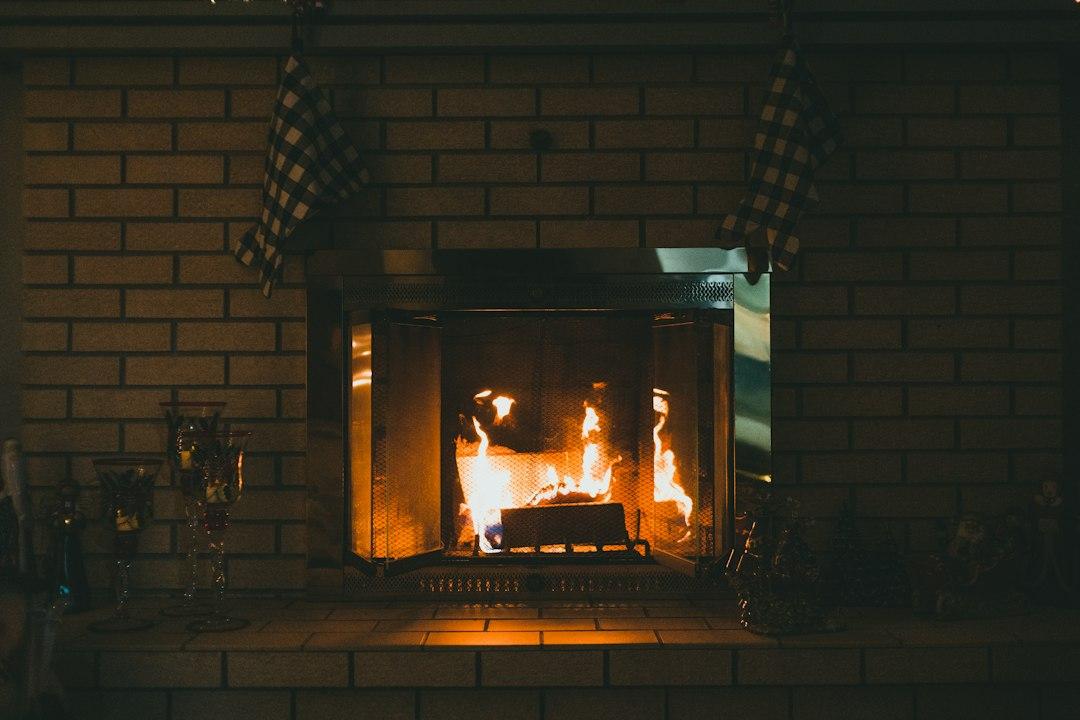
An insert is a steel box with a glass front that slides into the brick opening you already have. A liner runs from the unit to the top of the chimney, so the old flue becomes a sleeve for the new vent. With the glass closed and a blower behind it, an insert puts real heat into the room, and most models take a remote thermostat.
The face changes, since a trim panel frames the unit and covers the gap between it and the old opening. Our installed range for an insert is $2,750 to $5,550. What moves a job within it is in our post on insert pricing in Lawndale.
Option three: a unit built into a wall
A wall unit needs no chimney at all. Its vent is a pipe inside a pipe: the inner one carries exhaust out, and the outer one feeds the burner outdoor air, so the air in your room is left alone. The vent leaves through an outside wall or the roof, which means the unit can go into a bedroom, an addition or a family room that never had a hearth. It is also the usual answer when a worn factory-built fireplace has to come out.
Framing a new opening on an outside wall and finishing it lands between $4,450 and $8,900 with us. The spread follows the size of the unit, how far the vent has to travel and how much wall gets finished around it.
How the three line up
| Log set | Insert | Wall unit | |
|---|---|---|---|
| Uses the old chimney | Yes, open | Yes, with a liner | No |
| Glass front | No | Yes | Yes |
| Heats the room | Barely | Yes | Yes |
| Opening a wall | No | No | Yes |
| Our price | Written after a visit | $2,750 to $5,550 | $4,450 to $8,900 |
What decides which one fits you
Four things settle it, usually in this order. First, the state of the firebox and chimney: a cracked firebox or loose brick at the top has to be fixed before any of the three. Second, the kind of fireplace: a factory-built box can only take what its label allows. Third, the gas supply: a key beside the hearth makes logs or an insert simpler, while a new run adds a line to the quote. Fourth, how you will use it: an evening glow, or heat on cold mornings.
The visit sorts out the first three for you. Tell us on the quote form which option you are leaning toward, along with whether the fireplace is brick or metal. We set a time to measure and put the choices that fit on paper, each with its own figure.
Factory-built fireplaces: fewer choices, clearer ones
Many homes in Hawthorne, Carson and Lawndale built from the 1970s on have a factory-built fireplace: a steel box with a metal chimney, faced to look like masonry. These are tested as a set, so swapping parts is limited. Some accept a log set listed for that exact model. A few accept a matched insert. Many are better replaced with a wall unit, especially when the inner panels have warped. We read the label plate during the visit and tell you which path is open.
Living with each one
A log set lights with a key or a simple valve, and some take a remote. Inserts and wall units come with a wall switch or a handheld remote, many with a thermostat, and the blower on an insert makes a low hum you notice the first week and then forget. Glass fronts get hot, so a screen in front matters in a home with toddlers or dogs. All three want a yearly service: burner, pilot and glass. Our gas fireplace repair page covers what that visit includes when something stops working.
Keeping a wood fire as an option
If you still want the odd wood fire, only the log set keeps that door open, since the logs can come out later. An insert or a wall unit ends wood burning in that spot for good. Say so early, and we plan around it.
A good next move
Most owners settle on an answer after one visit, once the firebox has been measured and the gas supply found. To start that, visit our contact page and tell us which room the fireplace is in and what you would like it to do.
Weighing a Move Off Wood?
Mulligan Chimney Works looks at the flue first, then sets gas logs, an insert and a direct-vent unit side by side for your room. Visits run from Lawndale to Hawthorne, Inglewood, Carson and the rest of the South Bay.