
The gas switch a buyer cannot see
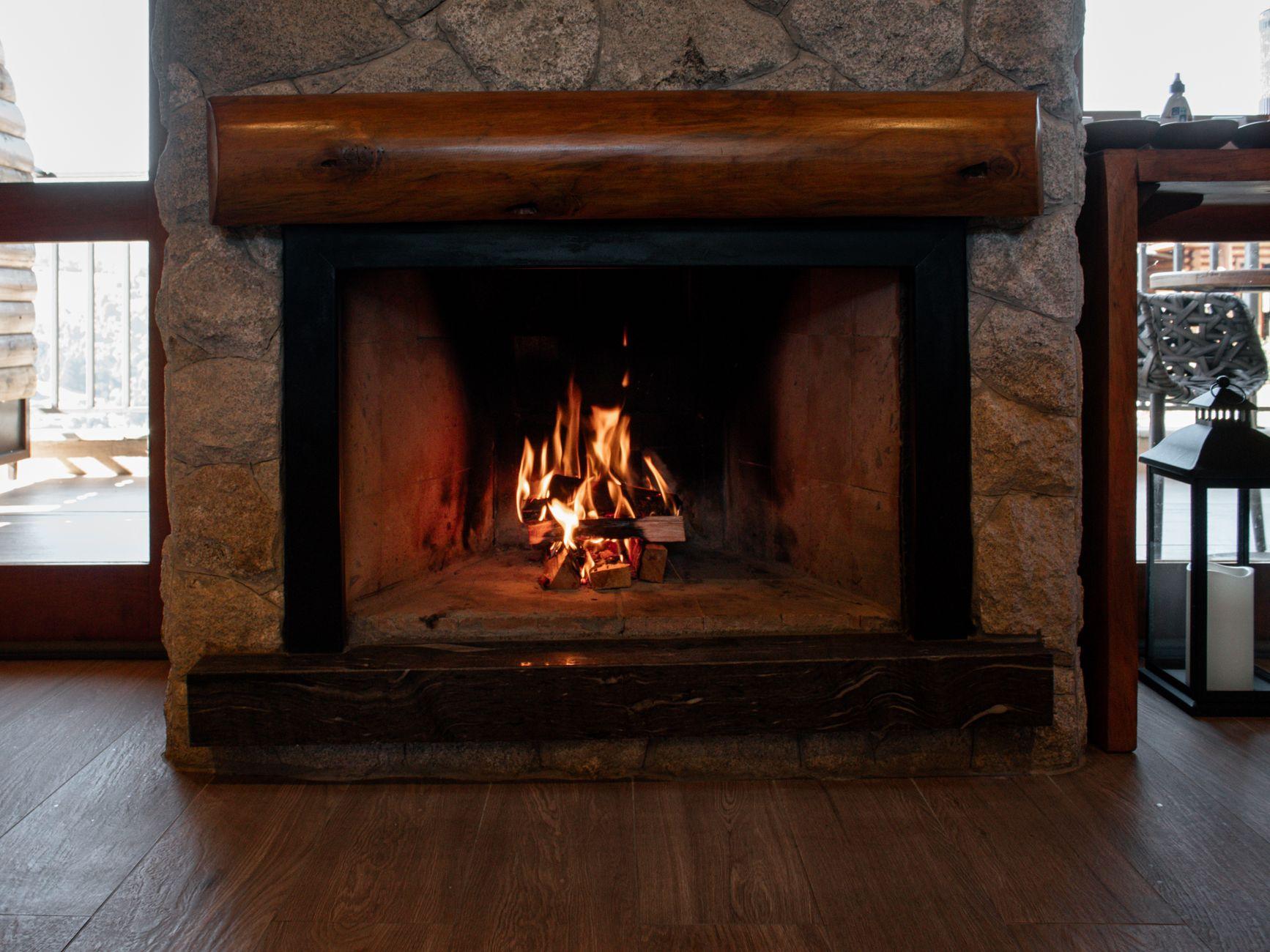
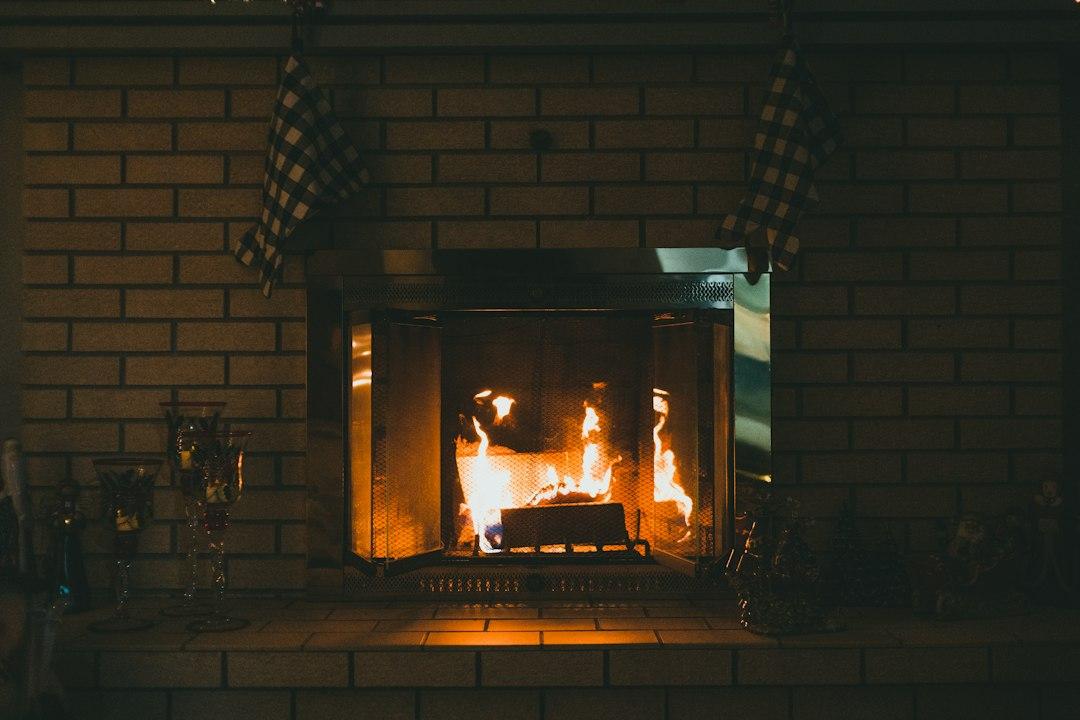
A fireplace that went from wood to gas years ago looks finished from the living room. The logs glow, the remote works, and the seller has long stopped thinking about it. The buyer's side thinks about it a great deal. Their inspector wants to know how the exhaust leaves the house, whether the damper can swing shut on a burning set, and what the old clay flue looks like after decades of use. When nobody can answer, the fireplace turns into a line in a repair request.
Around Lawndale, Hawthorne and Inglewood, a large share of the older homes we see have had some kind of gas conversion. Many were done well. Some were done the quick way, with a log set dropped in and nothing else changed. A seller who knows which kind they own, before the house is listed, has far more room to decide what to do about it.
Where converted fireplaces tend to come up short
These are the findings that surface most often on gas fireplaces during a sale:
- A log set with nothing holding the damper open. If the plate can close while the burner runs, exhaust has nowhere to go but the room. A small clamp solves it, but only once someone notices.
- An insert with no liner. Older installs sometimes sent the insert's exhaust straight into the big clay flue, or through a stub of pipe that stopped above the damper. Inspectors flag it, and buyers balk at it.
- An old brass connector. The thin flexible line between the gas key and the burner on many older sets is a type that inspectors now call out for replacement.
- Soot on the logs or glass. A dirty flame points to a burner that needs service or logs set in the wrong place.
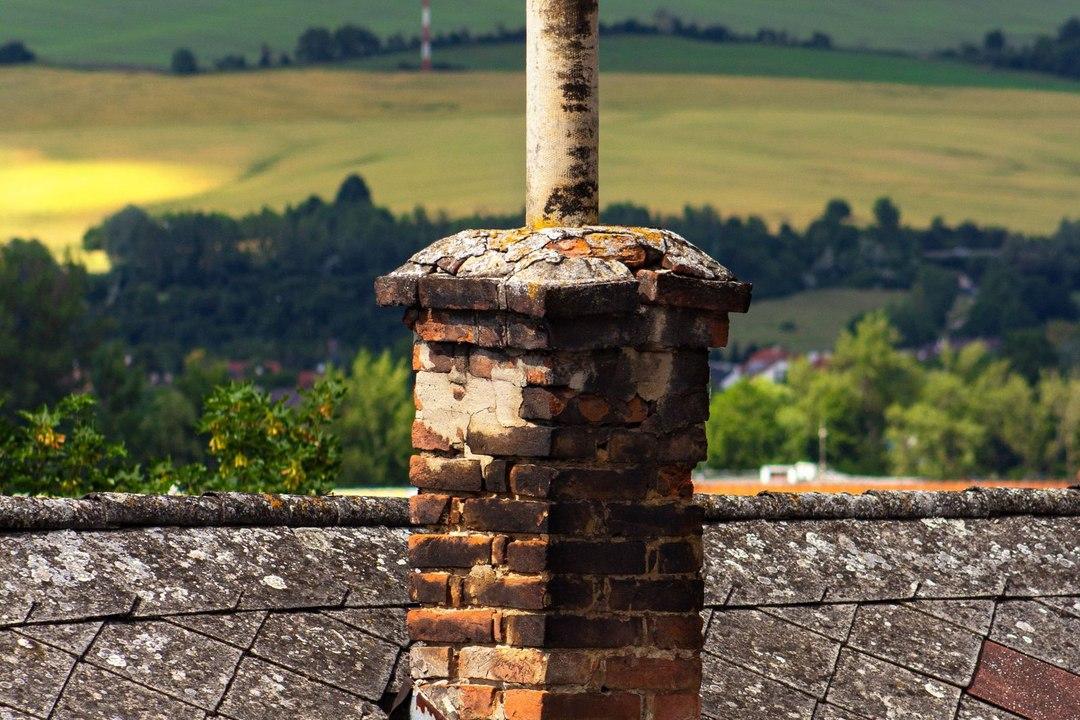
- An open chimney top. No cap means rain falls onto the burner and the valve, and rust follows.
Any one of these can be fixed. The trouble is finding out from the buyer's report rather than your own.
Which inspection a seller needs
There are two levels that matter for a sale. A Level 1, at $54, covers what can be reached and seen from the firebox, the roof and the attic without special tools. A Level 2, at $390, adds a camera run up the full flue, and it is the level the national chimney standard links to a change of ownership. For a sale, the camera inspection is the one that answers the questions a buyer's inspector will ask.
On a converted fireplace we also note the type of gas appliance, how it is vented, whether the damper is fixed open where it has to be, and the make and model where the label can be read. More on what the camera visit covers is on our Level 2 inspection page.
What decides your next move
The report decides it. Each finding comes with a note on whether it matters for safety, for a buyer, or for neither. From there a seller usually takes one of three routes: repair it before listing, adjust the price, or put the finding in the disclosures as written. Some fixes have a published figure on this site. Others get a written price once we have seen them. For a cap, we take measurements first; the number of flues, the size and the metal then set what it costs. To get the inspection booked, send the address through the quote form and say whether the fireplace burns gas or wood today and who should receive the report.
Timing it against the listing
The quietest week to inspect is before the photos. The house is still yours, no buyer is waiting, and any repair can be done without an escrow clock running. Sellers working with a listing agent often fold it into the prep list along with paint and staging. Our page for listing agents lays out how that fits a typical listing.
If the house is already in contract and the buyer's report has flagged the fireplace, we can still help. A Level 2 from us gives you a second, detailed look, and you can answer the request with facts instead of guesses.
Who the report belongs to
The person who books the inspection owns the report. For a seller, that means you decide whether to share it, attach it to the disclosures or keep it as a guide for repairs. Name your agent when you book, and they receive a copy as well. We write it plainly, with photos and the flue video, and we do not soften findings for a listing. Buyers' agents tend to trust it because of that.
If the house has more than one fireplace
Each fireplace and each flue gets its own line, both in the report and on the bill. A Lawndale house with a living room set on gas and a den fireplace still on wood will have two quite different sets of findings. Keeping them separate helps the buyer read them and helps you price any repairs.
The upside of a gas fireplace in a sale
A gas fireplace that checks out is a selling point. Buyers like the remote, the lack of ash and the freedom from wood burning limits on cold nights. A clean report turns the fireplace from a question mark into a feature in the listing. Our home sale inspection page covers the seller side in more detail.
Getting ahead of the buyer
A short visit now saves a long conversation later. When you are ready to set one up, reach us on the contact page and mention when the house is due to list.
Weighing a Move Off Wood?
Mulligan Chimney Works looks at the flue first, then sets gas logs, an insert and a direct-vent unit side by side for your room. Visits run from Lawndale to Hawthorne, Inglewood, Carson and the rest of the South Bay.