Gas parts hate a wet chimney
A wood fireplace shrugs off a little rain. The next fire dries the firebox out and nobody notices. A gas fireplace is different. Its burner, pilot assembly, valve and ignition parts are steel and brass with small ports and fine wires, and they sit right at the bottom of the chimney where any water ends up. A slow drip over one or two winters can rust a burner tray, clog the pilot or leave a valve that sticks. Owners in Lawndale often call us about a gas set that will not light and find out the real fault is on the roof.
Here is where the water gets in, how to spot it from inside the house, and what each repair costs with us.
Signs from the living room
You do not need to climb anything to notice water trouble. These are the clues owners usually mention first:
- Orange rust or flaking on the burner, the log grate or the floor of the firebox
- Streaks or spots on the inside of the glass on an insert
- A musty, damp smell from the fireplace a day or two after rain
- A pilot that keeps going out after wet weather
- Peeling paint or a brown mark on the wall or ceiling beside the chimney
Near the coast the marine air adds its own slow corrosion, so in Lawndale, Hawthorne and Inglewood a little surface rust is common. Rust that grows after every storm points at water.
Where the water gets in
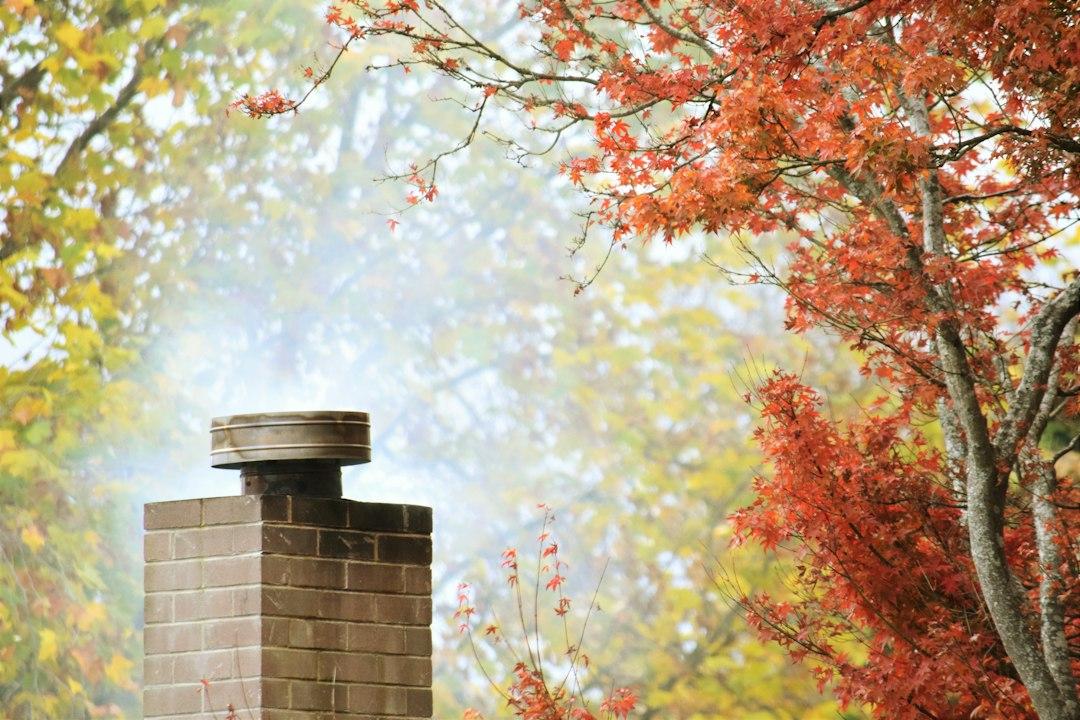
The open top. A chimney with no cap is a funnel. Rain, leaves and nesting birds all land on the burner. On a converted fireplace the cap matters more than ever, since the chimney is now carrying gas exhaust and the parts below cannot dry out with a hot wood fire.
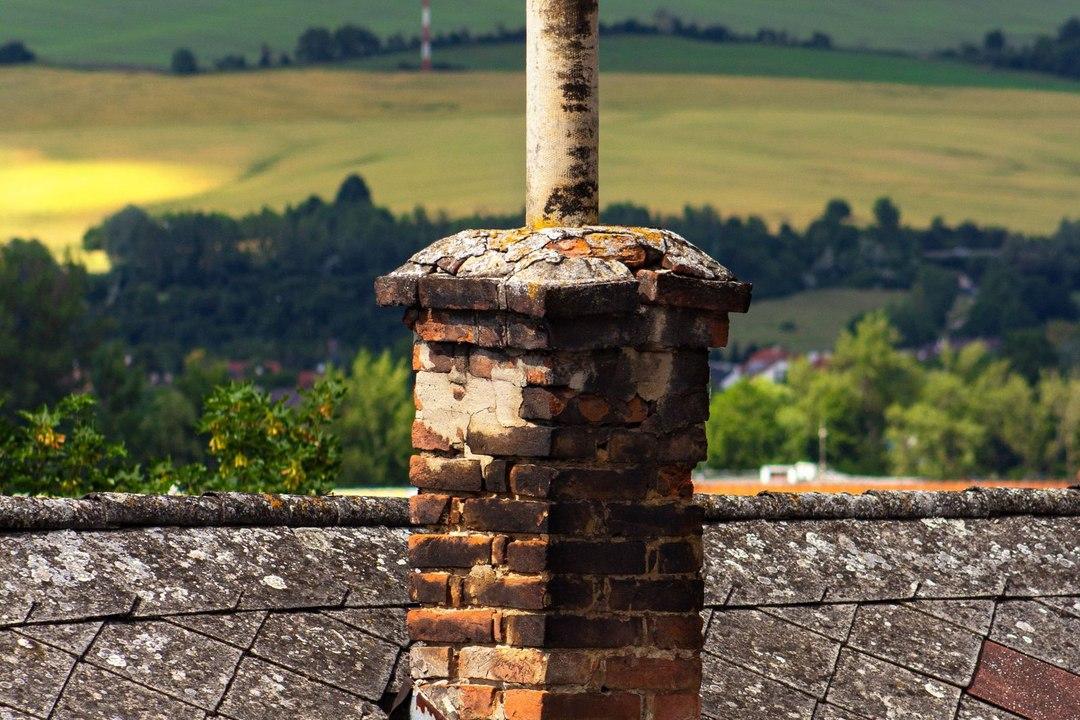
The crown. The concrete slab around the top of the flue cracks with age and sun. Water soaks through the cracks into the brick and runs down inside.
The flashing. Sheet metal sealing the joint between brick and roofing can pull loose, corrode, or have its caulk dry out. This is the usual cause of a stain on the ceiling or wall beside the chimney rather than in the firebox itself.
The uphill side of a wide chimney. On a chimney that is wide where it crosses the roof slope, rain and debris dam up against the brick. A small peaked diverter, called a cricket, steers that water around.
The chase top on a factory-built unit. Metal chimneys are boxed in a framed chase with a sheet metal top. When that top rusts through, water runs straight down onto the steel firebox and the gas parts inside it.
What each fix costs us
These are the repairs with a published figure on this site:
| Repair | Our price |
|---|---|
| Tracking down a leak and stopping it | $555 to $3,350 |
| A new cap sized to the flue | quoted after we measure the flue |
| Water diverter on the roof side of the stack | $445 to $1,005 |
| Diverter plus new metal around the chimney base | $670 to $1,650 |
Crown repair, a new chase top and masonry water repellent have no published figure. We measure them on the roof and price them in writing before any work.
What decides your price
The source of the water decides it, and most leaks have more than one. A single loose flashing piece sits near the bottom of the leak range. A leak fed by a cracked crown, tired flashing and an open top climbs toward the upper end. We find each source first and price each one on its own line, so you can see what is driving the total. To start, use the quote form to describe the signs you have noticed, such as rust, a stain or a smell, and which rooms sit beside the chimney. We may ask a few more questions when we call back.
Fixing the roof before the burner
Once the water is stopped, the gas side gets its turn. A rusted burner tray or a pilot assembly that has been sitting wet often needs cleaning or new parts, and a valve that has corroded is replaced rather than coaxed. We do that work after the leak is fixed, not before, so the new parts are not soaked again by the next storm. Our gas fireplace repair page covers what that visit includes.
What a leak visit looks at
A leak call is not just a look at the stain. We start inside, at the firebox and the wall around it, and note where the rust or marks sit. Then we go up. On the roof we look at the top of the flue, the crown or chase top, the metal at the base of the stack and the brick or siding on every face. Where the roof framing can be reached, we check the wood beside the chimney for darkening or soft spots. Every leak point we locate is priced separately on the quote and backed by a picture, so the reason for each item is clear. If a cap or diverter is all it takes, you will know that before anything bigger is suggested.
Pages for each repair
When the list gets long
Sometimes a leak is only the first finding. If an inspection has turned up water damage alongside a cracked flue or a worn firebox, our staged repair page shows how we split the work into what has to happen now and what can wait for a later season.
Before the rain comes back
Lawndale gets most of its rain in a few winter months, and a leak that started last season will pick up where it left off. If your gas set has started to look rusty, head to the contact page and mention what you have seen and when it appeared.
Weighing a Move Off Wood?
Mulligan Chimney Works looks at the flue first, then sets gas logs, an insert and a direct-vent unit side by side for your room. Visits run from Lawndale to Hawthorne, Inglewood, Carson and the rest of the South Bay.